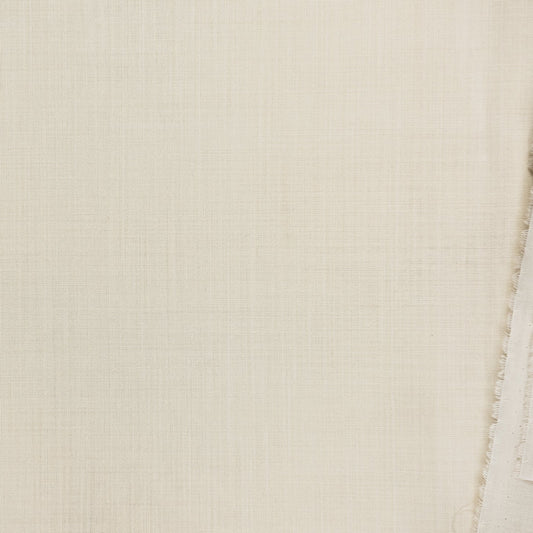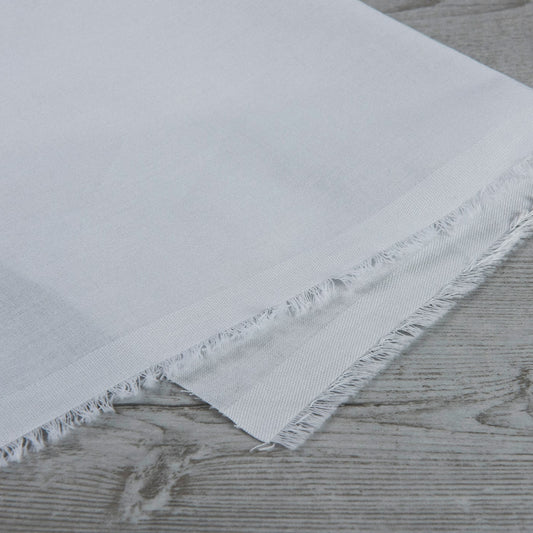
How to Care for Linen Fabric: Washing, Drying and Ironing
Share
Linen is used for everything from clothing and costumes to curtains, cushions and tablecloths. How you care for it depends on the weave, finish and what you’ve made with it.
Many linens can be machine washed, but check the care instructions first. A fine linen, a linen blend and a lined curtain may need different treatment. If you’re buying linen by the metre, check the fabric’s care guidance before deciding how to use it.
Before you cut: should you pre-wash linen?
If the finished piece will be washed, it’s sensible to wash and dry the fabric before cutting, using the method you intend to use afterwards. This allows initial shrinkage to happen before you’ve fitted a garment or sewn a hem.
For washable linen:
- Finish the raw edges before washing to limit fraying.
- Give the fabric room to move in the machine.
- Dry it using the intended care method, then press before laying out your pattern.
- Check that you still have enough usable length and width before cutting.
Pre-washed linen can still shrink further. Don’t assume that a washed finish means the fabric is completely shrink-proof.
For curtains, upholstery or pieces intended for dry cleaning, check the recommended preparation first rather than automatically putting the cloth in the washing machine.
How to wash linen fabric
For linen labelled as machine washable, a gentle wash at 30°C is often a suitable starting point. Some fabrics allow 40°C or higher temperatures, but follow the instructions for the particular cloth.
Use a mild detergent and avoid chlorine bleach. For coloured linen, choose a detergent without bleaching agents or optical brighteners unless the manufacturer says otherwise.
Wash similar colours together and avoid packing the drum tightly. A gentle spin helps reduce deep creases.
For finished garments, turn them inside out and check the whole construction. Linings, trims, fastenings and interfacing may need different care from the outer linen.
Does linen shrink?
Linen can shrink during washing and drying, particularly on its first wash. The amount depends on the fabric’s construction, finishing and how it is cared for.
There isn’t one shrinkage percentage that applies to every linen. When finished dimensions matter, test a piece of the actual cloth:
- Measure it before washing.
- Wash and dry it using the intended method.
- Measure it again once dry.
Test both length and width. A small swatch is useful for checking colour and texture, but a larger piece gives a more useful indication of dimensional change.
Allow for shrinkage when buying fabric for washable projects, as well as hems, seams and pattern matching.
How to dry linen
Air drying is a straightforward option for many washable linens. Shake out the fabric, gently smooth it into shape and hang it or lay it flat, depending on the piece. Avoid wringing it.
Keep coloured linen away from prolonged direct sunlight to help prevent fading.
If the care instructions allow tumble drying, use the recommended setting and avoid excessive heat. Remove the linen while slightly damp, then finish drying in the air or press it.
How to iron linen
For a smooth finish, iron linen while it is slightly damp. Steam can help release creases; there’s no need to avoid it as a general rule.
Use the temperature recommended for the fabric. A linen blend or specialist finish may need a lower setting than plain linen.
Iron on the reverse and use a pressing cloth where needed, particularly on dark colours or surfaces that mark easily. When pressing cut pieces, lift and reposition the iron rather than dragging the cloth out of shape.
For a relaxed finish, smooth the linen while damp and let it air dry. Not every piece needs to be pressed crisp.
How to treat stains on linen
Deal with spills promptly, following the fabric’s cleaning instructions.
Blot gently with a clean cloth rather than rubbing. Test any suitable stain treatment on a spare piece or hidden area first, and avoid ironing or tumble drying until you’ve checked that the stain has gone.
Be cautious with spot cleaning on upholstery and curtains: local cleaning can leave a water mark or change the appearance of the finish. Follow the maker’s guidance for the whole piece.
Does linen get softer with washing?
Many washable linens become softer and more supple with use and laundering. How they feel will also depend on their weave and finish.
There’s no need to repeatedly wash a fabric just to soften it. Use the recommended detergent amount, rinse thoroughly and avoid over-drying.
If you want a soft handle from the outset, compare washed and unwashed finishes before buying. A sample will help you feel the difference.
How to store linen fabric
Store linen clean and completely dry, away from damp and direct sunlight.
Keep fabric lengths loosely folded or rolled, with enough space to avoid crushing them. Label leftover cloth with its product code and care details so you have the information when you use it again.
Caring for linen curtains and upholstery
Don’t assume that a finished furnishing is washable simply because it contains linen.
Curtain linings, headings and trims can behave differently in the wash. Upholstery may have backing or treatments that need specialist cleaning. A removable cushion cover isn’t necessarily machine washable either.
Before making, consider how the finished piece will be cleaned and choose the fabric, lining and construction accordingly.
Choosing linen for your project
Care is worth considering before you buy. Will the finished piece need regular washing? Does it need to keep an exact size? Are you after a crisp finish or a softer, washed feel?
Check composition, width, weight and care guidance alongside colour. Start with a sample to assess the handle and weave, then test a larger piece if shrinkage or laundering performance is important to your project.
Browse our linen fabrics, or order samples to compare the cloth before buying.