Fabric Shrinkage Guide: How to Test and Allow for Shrinkage
Share
Shrinkage is worth checking before you cut. A garment that fits, a curtain cut to length or a neatly fitted cushion cover can all change size after washing.
The amount depends on the fibre, weave, finish and cleaning method. Here’s how to check your cloth and allow for shrinkage before you start.
Why does fabric shrink?
During weaving and finishing, cloth is held under tension. Washing can release some of that tension, allowing the fabric to settle into a smaller size.
Cotton and linen can shrink this way, particularly when supplied untreated. Heat and movement during washing and drying can also affect the result.
Wool behaves differently: unsuitable washing conditions can cause felting as well as shrinkage. Follow the care guidance for the particular cloth rather than treating all natural fabrics alike.
Shrinkage can affect both length and width, and the amount may differ in each direction.
What does loom-state fabric mean?
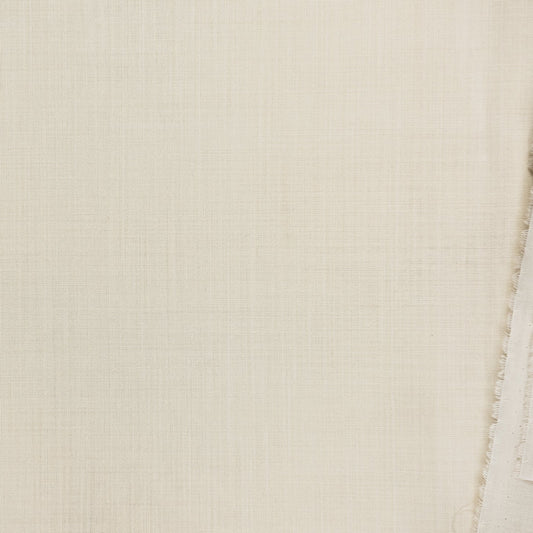
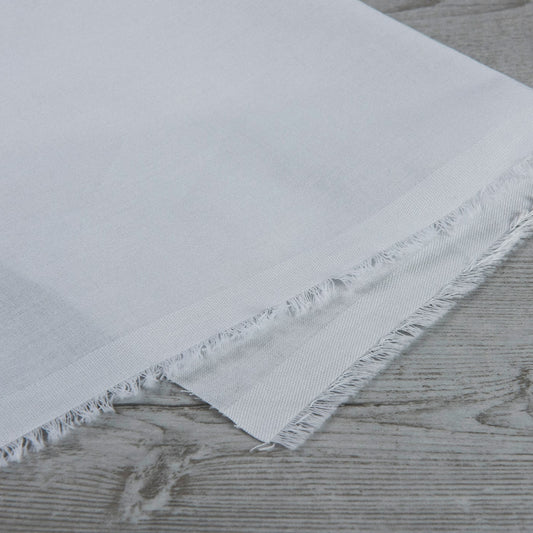
Loom-state cloth is supplied as woven, before finishing processes such as washing, bleaching or shrinking. Natural calico and some canvases are sold this way.
It’s useful cloth for toiles, dyeing, scenery and other workroom applications, but you should expect its dimensions and handle to change when washed.
A shrunk or pre-shrunk finish reduces the potential for further shrinkage. It does not guarantee that the fabric will stay exactly the same size under every wash or drying method.
“Scoured” means cleaned during processing; it does not, by itself, mean pre-shrunk.
Which Wolfin fabrics should you check?
| Cloth | Finish and preparation |
|---|---|
| C340 medium calico | Supplied loom state. Test and pre-wash if the finished piece will be washed. |
| 987 heavy calico | Supplied loom state, with shrinkage indicated at around 10%. Test using your intended care method. |
| 8oz canvas and 10oz canvas | Supplied loom state. Check changes in both length and width before cutting. |
| Natural cotton drill, organic plain cotton and organic Half Panama | Supplied with a shrunk finish. Test where precise finished dimensions matter. |
Check the current product information before ordering. For other fabrics, start with their care and finish details rather than assuming a standard shrinkage allowance.
How to test fabric shrinkage
Use a piece large enough to measure accurately, leaving space around your measurement marks. A small swatch helps you assess colour and handle, but a larger test piece is more useful for measuring shrinkage.
- Finish the raw edges to limit fraying, without pulling the cloth out of shape.
- Mark measured distances along the length and across the width, away from the edges. Record both measurements.
- Wash and dry as intended, following the fabric’s care guidance.
- Let the cloth dry fully, then measure between the same marks without stretching it.
- Calculate each direction separately.
For example, if a marked distance measures 50cm before washing and 47.5cm afterwards:
Shrinkage = (50 − 47.5) ÷ 50 × 100 = 5%
For pieces that will be washed regularly, repeat the test to check whether further dimensional changes occur. One wash does not always remove all potential shrinkage.
How much extra fabric should you buy?
Use your tested shrinkage figure to calculate the length needed:
Length before washing = required length after washing ÷ (1 − shrinkage rate)
If you need 3 metres after washing and expect 10% shrinkage:
3 ÷ 0.90 = 3.33 metres before washing
Then allow separately for hems, seams, pattern matching and cutting waste.
Check the width too. Extra length won’t solve a problem if the washed cloth becomes too narrow for your pattern pieces.
Should you pre-wash before cutting?
If the finished piece will be washed, pre-washing the full length using the intended care method is usually the most practical approach. Dry it, press as appropriate without stretching, and check the usable dimensions before cutting.
For a toile that will never be washed, pre-washing may not be necessary. Choose the preparation that suits how you’ll use it.
For lined garments, check the lining and trims as well as the outer cloth. Different shrinkage rates can affect the finished fit and appearance.
What about curtains, upholstery and treated fabrics?
Don’t automatically pre-wash every cloth.
Curtains, upholstery fabrics and specialist finishes may require dry cleaning or another cleaning method. Flame-retardant and other treated fabrics may also have specific instructions about washing and treatment durability.
Check the guidance before preparing the fabric. A domestic wash test won’t tell you how a dry-clean-only piece will behave.
Before you order
Check the finish, intended care method and usable width. Where size matters, test before committing to the full project and keep a note of your results alongside the fabric code.
Order samples to compare colour, weave and handle. For washing tests, use a larger piece of the actual cloth.