Cotton Cambric and Downproof Fabric: A Guide to Filled Casings
Share
When making a pillow or cushion inner, the casing needs to do more than hold its shape. It must also contain the filling.
Cotton cambric can be used for this purpose when it has a suitable featherproof or downproof construction and finish. Not every fabric called cambric offers that performance.
What is cotton cambric?
Cambric is a fine, closely woven plain-weave cloth. Its uses depend on the particular fabric and finish.
“Cotton cambric” identifies a type of cloth. “Downproof” describes a performance property. Look for both when choosing a cotton casing for down-filled work.
What does downproof mean?
Downproof fabric is designed to limit the escape of fine down through the cloth. Feather-filled products also need a casing suited to their filling, including the presence of quills.
A close weave and suitable finishing can help achieve this. Calendering—a process involving rollers—is one finishing method used for cotton casing fabrics.
The finished product also depends on its seams, stitching and filling. The fabric alone doesn’t determine the performance of the complete cushion or pillow.
Wolfin’s downproof cotton cambric
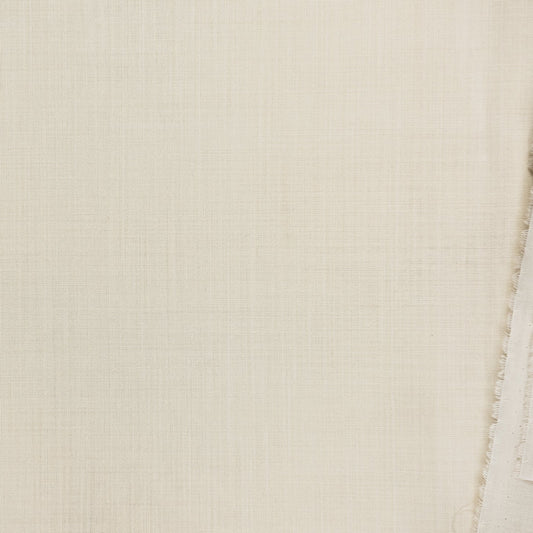
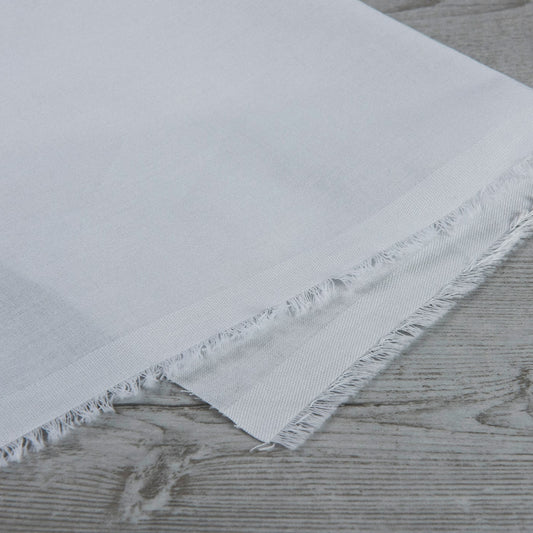
Our Feather/Downproof Cotton Cambric is listed as:
- 100% cotton.
- Natural in colour.
- 152cm wide.
- Calender-finished.
- Intended for feather and down casing applications.
Check the current product details and care information before ordering for your project.
Inner casing or decorative cover?
A cushion inner contains the filling. The decorative cover goes over it.
This lets you choose a visible fabric for its colour, texture and appearance without asking it to contain loose feathers itself.
Calico, muslin or a decorative ticking stripe should not be assumed downproof unless the particular product is specified for that use.
What to check before making
Confirm suitability for your intended filling. If you need a particular tested performance specification, request that information before ordering.
Check the care requirements of both casing and filling. Don’t assume that a washable cotton automatically makes the whole filled item machine washable.
Use an appropriate needle, thread and seam construction, then test a small filled prototype if you’re developing a new product. Repeated stitching and unnecessary needle holes can affect containment.
Samples and quantities
A sample helps you assess handle, colour and surface. It won’t demonstrate the performance of a complete filled casing.
Calculate front and back panels, seams and closures before ordering. For quantities, use your cutting layout and the usable fabric width; our fabric quantity guide shows how.
Order samples to inspect the cloth before buying.