Canvas Buying Guide
Share
Canvas has a job to do. It's the fabric you reach for when a project needs to hold its shape, survive handling, and last — whether that's a set piece being struck and rebuilt night after night, a bag that goes to work every day, or a chair that needs to look good for a decade. Here's how to buy the right one.
What canvas actually is
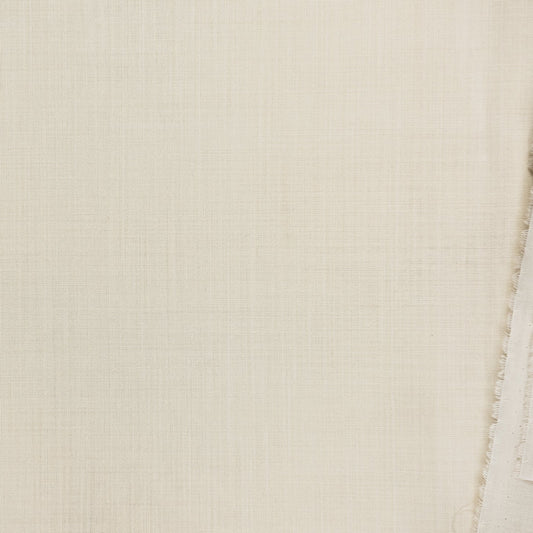
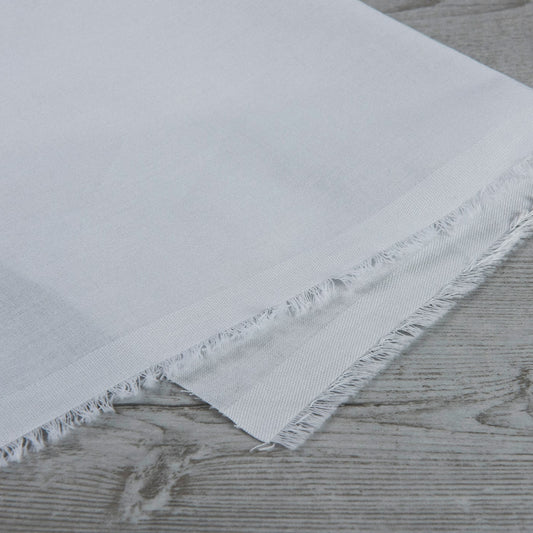
Canvas is a plain-woven, heavyweight cotton (or cotton-blend) fabric, prized for its durability and stability. Unlike softer cottons, it's designed to hold structure rather than drape — which is exactly why it turns up across such different worlds, from art studios to workshops to theatres.
Choosing by weight
Canvas is sold by weight (usually oz or gsm), and the right one depends entirely on what the fabric needs to survive.
Lighter canvas works well for bags, aprons, and craft projects where you still want some flexibility.
Mid-weight canvas is the most commonly reached-for option — sturdy enough for upholstery-adjacent projects, structured bags, and workwear, while still manageable on a domestic machine.
Heavyweight canvas is built for pieces under real, repeated stress: flooring cloths, heavy-duty bags, props, and upholstery that needs to outlast everything else in the room.
Choosing by finish
Untreated cotton canvas is breathable and takes paint, dye, and print well — a natural choice for artists and prop makers.
Waxed or treated canvas adds water resistance, useful for outdoor props, bags, or workwear.
Duck canvas is a tighter, more tightly woven variant, valued for extra durability where fraying or stretching isn't an option.
Who tends to buy which
- Artists generally reach for untreated, lighter-to-mid weight canvas for painting surfaces and stretched work.
- Prop makers and theatres often need mid-to-heavy canvas that can be built, struck, and rebuilt without losing shape.
- Upholsterers and interior designers look for heavier, tightly woven canvas that will hold up to years of daily use.
- Small manufacturers and bag makers typically want a consistent mid-weight they can rely on, order after order.
Before you order
Check your width requirements against the piece you're making — canvas widths vary more than lighter cottons, and getting this wrong on a large-scale project is a costly mistake. If timing matters for a production or install date, it's always worth confirming stock and lead time before you commit to a cutting schedule.
Browse our canvas range by weight here, or get in touch about trade orders — we're set up to make repeat ordering straightforward.